HAE Symptoms: Recognizing Life-Threatening Swellings
Imagine living with unpredictable, painful swellings that can appear anywhere on or inside your body, often without warning. For years, these mysterious episodes are dismissed, misdiagnosed, or attributed to various other conditions. This is the reality for many individuals affected by Hereditary Angioedema (HAE), a rare genetic disorder that, while often unheard of, carries the serious risk of becoming life-threatening. Understanding the distinctive HAE symptoms is not just important; for some, it can be the difference between life and death.
The journey to a correct diagnosis for a rare disease like HAE is often long and arduous, marked by an average of nine years of suffering and numerous false starts. This delay in identification underscores the critical need for increased awareness among both the public and medical professionals. By shedding light on the nature of this often-misunderstood condition, known in German as Hae Erkrankung, we hope to empower patients and guide healthcare providers toward earlier recognition and effective management.
What is Hereditary Angioedema (HAE)? Understanding the "Hae Erkrankung"
Hereditary Angioedema (HAE) is a genetic disorder characterized by recurrent attacks of severe swelling. Unlike more common allergic reactions, HAE is not triggered by allergens and typically doesn't respond to antihistamines or corticosteroids. The term "hereditary" is key, indicating that this condition is passed down through families, stemming from an inherited defect in a protein essential for regulating a complex metabolic system within the body.
At its core, HAE involves a malfunction in the body's control over bradykinin, a natural substance that plays a crucial role in inflammation. When this system goes awry, an excess of bradykinin is produced, leading to an abnormal widening of blood vessels. This widening allows fluid from the blood to leak into surrounding tissues, causing the characteristic swellings, or angioedemas. These angioedemas can affect almost any part of the body, leading to a wide range of discomfort and, in critical areas, grave danger. The unpredictable nature of these attacks, combined with their potential severity, profoundly impacts the quality of life for those living with this rare condition, making awareness of Hae Erkrankung symptoms vital.
Recognizing HAE Symptoms: Beyond the Visible Swelling
The manifestations of HAE are diverse, making diagnosis particularly challenging. While the most recognizable symptom is swelling, its location dictates the severity and potential danger. It's crucial to understand that HAE swellings are typically non-itchy and do not present with hives, which helps distinguish them from allergic reactions.
External Swellings: The Visible Angioedema
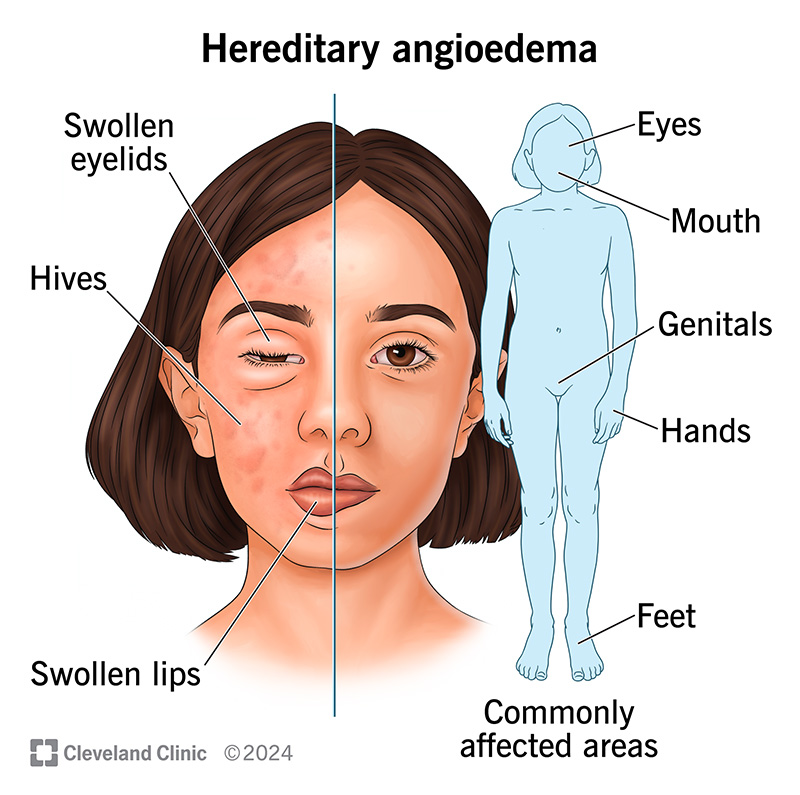
For many with HAE, the first signs are visible swellings on the body's surface. These can appear spontaneously and are often preceded by a tingling sensation or a feeling of fullness in the affected area. Common sites include:
- Extremities: Hands and feet can swell dramatically, making it difficult to perform daily tasks or wear shoes. The skin may feel taut and painful.
- Face: Lips and the area around the eyes are frequently affected. While often not life-threatening, facial swelling can be disfiguring and cause significant social distress.
- Genitals: Swelling in the genital region can be extremely painful and debilitating, impacting personal hygiene and intimate relationships.
These external swellings, while uncomfortable and sometimes painful, are generally not life-threatening unless they occur in areas that can restrict movement or function.
Internal Swellings: The Hidden Pain
Perhaps the most agonizing and frequently misdiagnosed HAE symptoms involve internal organs. The gastrointestinal tract is a common target, leading to severe abdominal attacks. Patients often describe this pain as excruciating, far beyond typical stomachaches.
- Abdominal Swellings: When the intestinal walls swell, it can cause intense cramping, nausea, vomiting, and diarrhea. These symptoms are frequently mistaken for appendicitis, gallstones, irritable bowel syndrome (IBS), or other acute abdominal conditions, often leading to unnecessary surgeries. The pain can be so severe that it requires strong pain medication.
- Other Internal Organs: While less common, swellings can occur in other internal areas, leading to a variety of symptoms depending on the affected organ.
The "hidden" nature of these internal attacks contributes significantly to the diagnostic delay and the immense suffering experienced by patients. It's a stark reminder that Hae Erkrankung isn't just about what you see on the outside.
The Life-Threatening Threat: Airway Obstruction
This is arguably the most critical aspect of HAE symptoms and the primary reason why timely diagnosis and treatment are paramount. Swellings in the throat, known as laryngeal angioedema, are life-threatening and can lead to death by suffocation.
When the tissues in the throat, larynx, or tongue swell, they can rapidly block the airway, making breathing progressively difficult. Patients may experience:
- Hoarseness or voice changes.
- Difficulty swallowing (dysphagia).
- A sensation of tightness or a lump in the throat.
- Noisy breathing (stridor).
- In severe cases, complete airway obstruction.
Actionable Advice: Any suspicion of throat swelling in a person with known or suspected HAE demands immediate emergency medical attention. Do not wait. This is a medical emergency that requires specialized intervention to secure the airway. Having an emergency action plan and immediate access to HAE-specific medication is crucial for these patients.
HAE vs. Allergic Angioedema: A Critical Distinction for Diagnosis
One of the biggest hurdles in diagnosing HAE is its superficial resemblance to allergic angioedema, a much more common condition that affects nearly one in four people at some point in their lives. While both manifest as swelling, their underlying mechanisms and, crucially, their treatments are fundamentally different.
As discussed in our in-depth article, HAE vs. Allergic Angioedema: Understanding Key Differences, the key differentiator lies in the chemical mediators responsible for the swelling. In allergic angioedema, the culprit is primarily histamine, released by mast cells in response to an allergen. This is why allergic reactions typically respond well to antihistamines and corticosteroids.
Conversely, in HAE, the swelling is driven by an excess of bradykinin, a different inflammatory mediator. Because HAE swellings are not histamine-mediated, they do not respond to standard allergy treatments like antihistamines or steroids. This non-responsiveness to conventional allergy medications is a critical diagnostic clue that physicians must recognize. If a patient presents with recurrent swellings that look like allergic reactions but fail to improve with allergy medication, HAE should immediately be considered as a differential diagnosis.
The Long Road to Diagnosis and the Importance of Specialized Care
The fact that it takes, on average, nine years for patients in Germany to receive a correct HAE diagnosis from the onset of symptoms highlights the significant challenges. This "diagnostic odyssey" is often fraught with frustration, fear, and repeated medical visits that yield no answers or, worse, incorrect ones. The rarity of HAE means that many healthcare professionals, unfamiliar with the condition, might not consider it, focusing instead on more common ailments.
However, the landscape is changing. Increased awareness and advancements in medical understanding mean that a definitive diagnosis for Hae Erkrankung can now be made through specific blood tests that measure the levels and function of the C1-esterase inhibitor protein, which is deficient or dysfunctional in most HAE patients. Once diagnosed, effective therapies are available that can significantly reduce the frequency and severity of attacks, and even stop acute attacks.
Therefore, it is paramount that individuals experiencing unexplained, recurrent, non-itchy swellings, especially those with a family history of similar symptoms, seek out specialists with experience in rare diseases or immunology. Organizations and centers dedicated to rare diseases often maintain lists of HAE-experienced doctors. Consulting these experts is vital for navigating the diagnostic process and accessing the appropriate, life-changing treatments. For more on this difficult journey, read our article: The Long Road to HAE Diagnosis: Uncovering a Rare Disease.
Conclusion
Hereditary Angioedema (HAE) is a challenging but manageable condition, provided it is accurately diagnosed. Recognizing the diverse range of HAE symptoms, from visible external swellings to agonizing internal attacks and, critically, life-threatening airway obstruction, is the first step toward better patient outcomes. Understanding its distinction from allergic angioedema and the importance of HAE-specific treatments can shorten the often-prolonged diagnostic journey. If you suspect you or a loved one might be living with Hae Erkrankung, advocate for thorough investigation, seek out specialized medical expertise, and remember that effective therapies exist to help manage this rare disease and improve quality of life.